

In this next installment of 'Navigating Neurodiversity', we look at how books can support neurodiverse readers in the classroom and also parents.
This fits well within what is also the National Year of Reading, which we have consistently been championing here at Claire's School Solutions.
When I was growing up, I was an avid reader, but I am fully aware that not all neurodivergent children find reading easy, especially when it is combined with other conditions, such as dyslexia.
I often find quite different as a sparky 7 year old and whilst I was predominantly happy at primary school, things like not being able to get to sleep at night, were a real source of anxiety for me.
If I could have accessed books (which I loved) which helped me to understand some of the ways my brain may have been unique and slightly different. it might have made me feel less ‘square peg in a round hole’.
As a teacher for many years, I feel a little ashamed that I had explored books such as these ones with my own pupils. I was a real champion of Barrington Stoke books for dyslexic readers. But, hadn’t been aware that there were a wealth of high quality texts which neurodivergent readers could access.
With the rise of ADHD, ASD and other potential barriers to learning, it is ever more important for teachers in the primary classroom to be inclusive in their book provision.
Jo
Hopefully this blog will flagpost some texts/ authors that you can have a look at and try out in the classroom.
Wonderfully Wired Brains: Louise Gooding
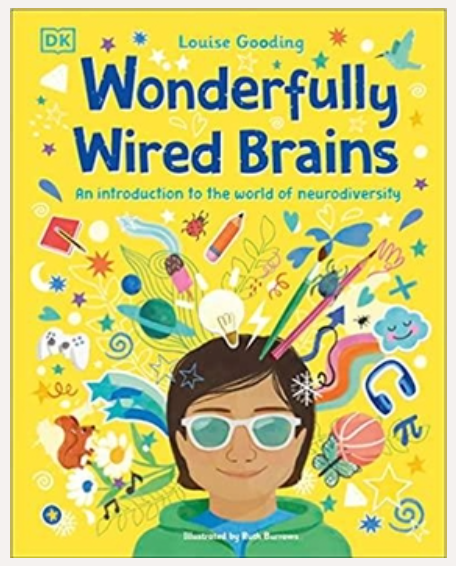

Bridge the Gap (a local organisation we collaborate with) have recently shared on their social media how highly they value this book when working with neurodiverse children.
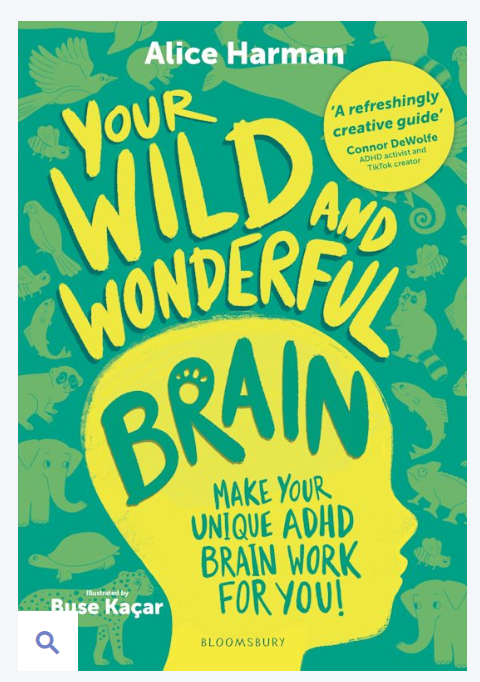
Your Weird and Wonderful Brain: Alice Harman
Does your brain sprint ahead of you like a cheetah on the chase?
Or get distracted by every shiny new idea like a curious magpie?
Do you have a WONDERFULLY WILD ADHD brain?
Made for people with ADHD (or those who want to know more about it) this positive, must-have handbook celebrates both the tricky and the brilliant bits of ADHD. Using playful animal metaphors, it explores traits many people with ADHD will recognise, while sharing tips, activities and ‘brain science’ explanations to help you understand your ADHD better.
Written and illustrated by two authentic ADHD voices, this is the perfect book for anyone looking to work with, rather than against, their wonderfully wild, one-of-a-kind ADHD brain
Alice also offers talks in local primary schools to talk about being an author and is keen to make this accesible for neurodiverse learners. More details via the enquiry form on her website.
We are a quarter of the way through this book and my 12 year old has already had so many ‘yes mum exactly that’ moments where he feels seen and understood. Highly recommend!!!
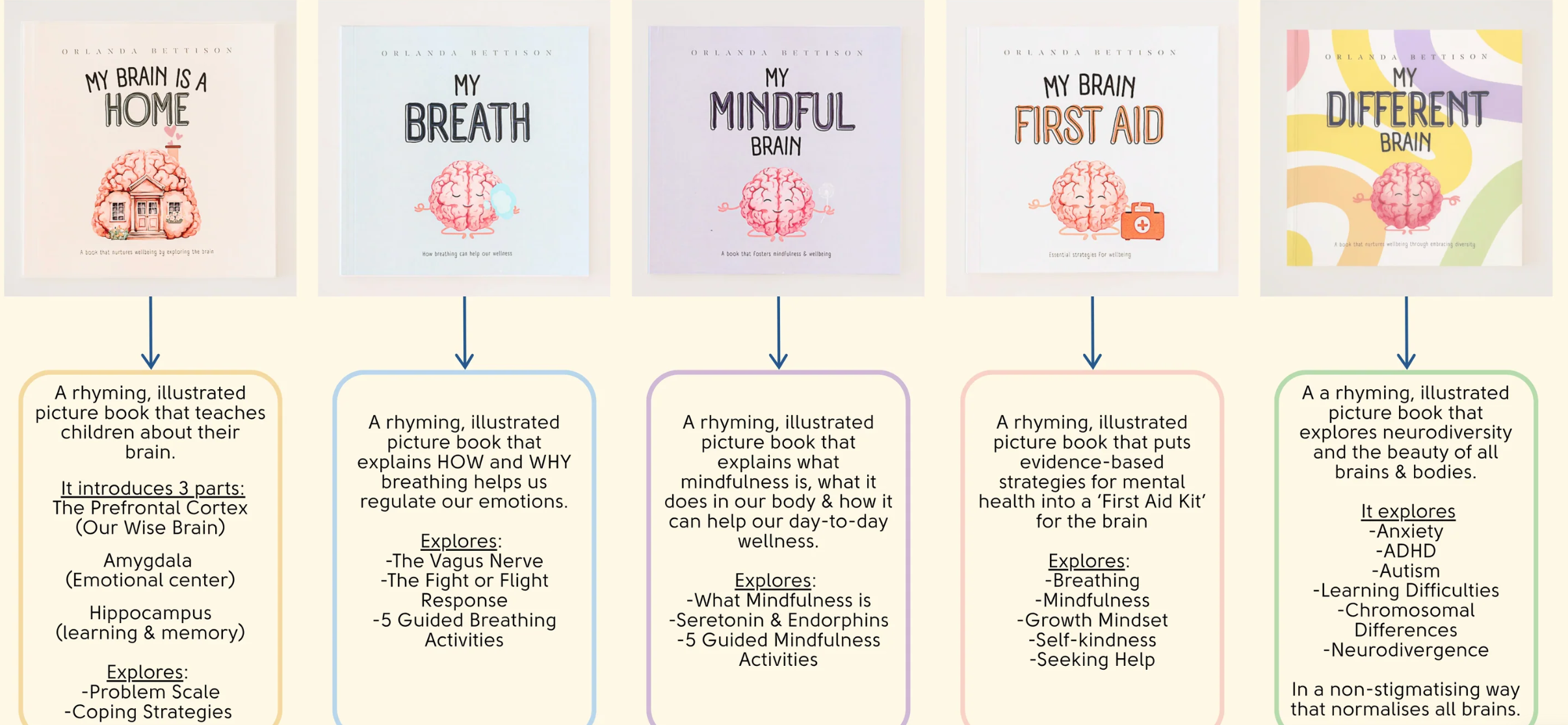
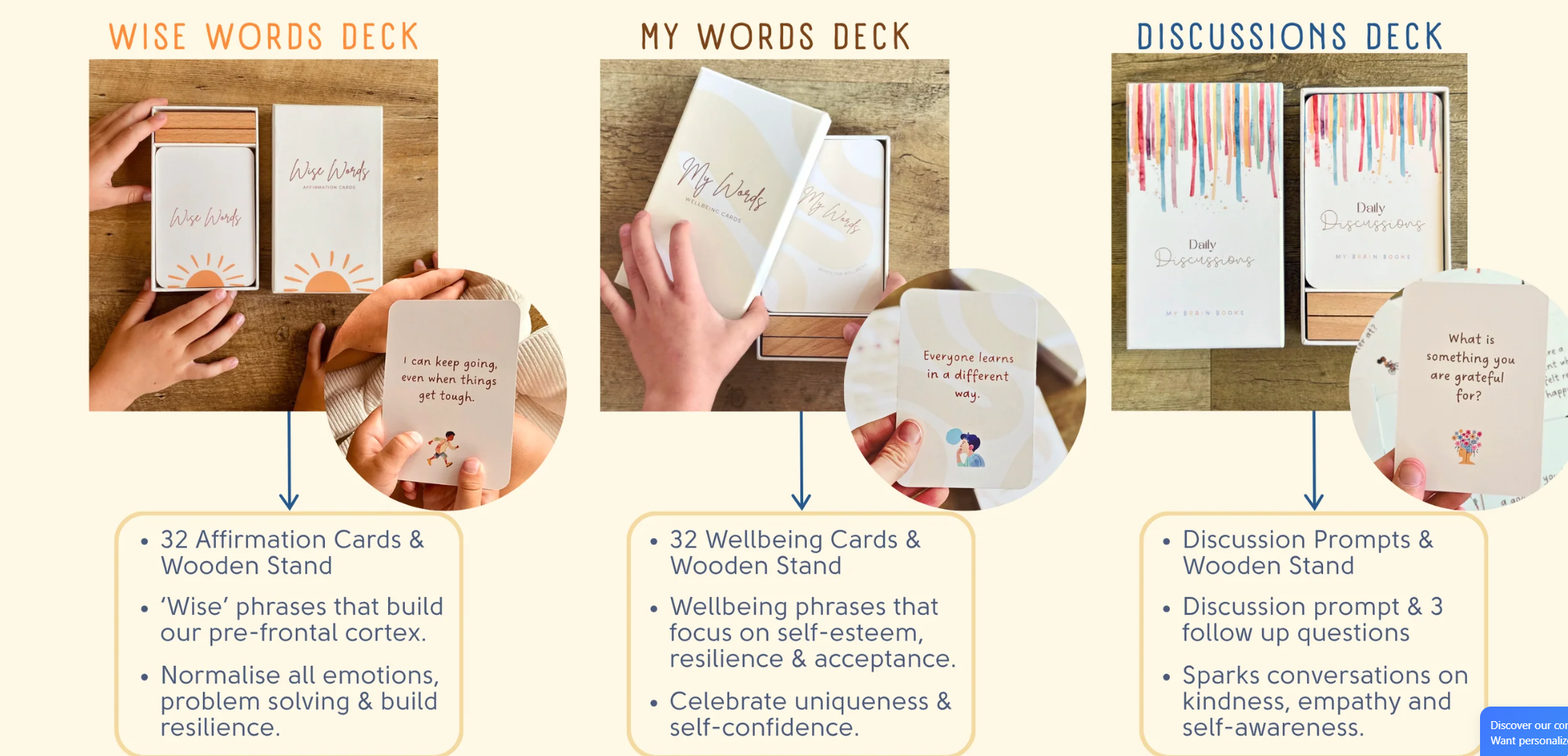
My Brain Book series: Olanda Bettinson
The My Brain Book Series, delivers accessible evidence-based strategies that combine clinical knowledge and everyday application.
These resources are used for children across diverse needs—helping those with Anxiety, Autism, ADHD, as well as neurotypical children, to develop essential mental health skills.
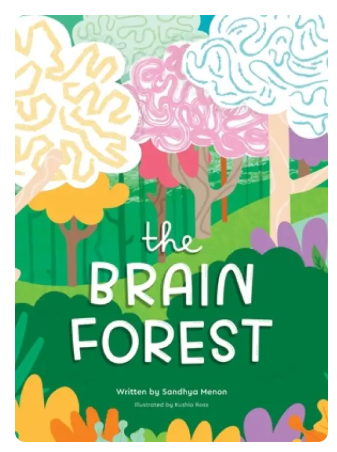
The Brain Forest: Sandhya Menon
Join a mother and her son on a heart-warming journey through The Brain Forest, celebrating neurodiversity and encouraging inclusivity for all.
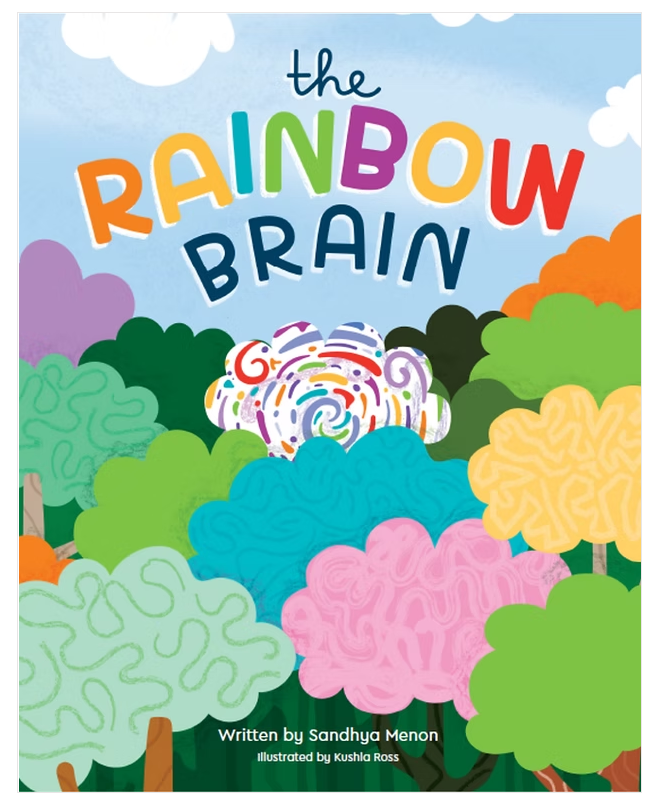
The Rainbow Brain: Sandhya Menon
The Rainbow Brain is an inspiring and colourful children’s book that is the first of its kind to describe what it’s like to be both autistic and ADHD. It is a neuro-affirming introduction to identity, designed to encourage children to explore and celebrate their uniqueness whilst understanding their accommodations.
Filled with delightful illustrations and a vibrant colour palette, this book is sure to make a lasting impression on young readers, making it an invaluable resource for any family and educator.
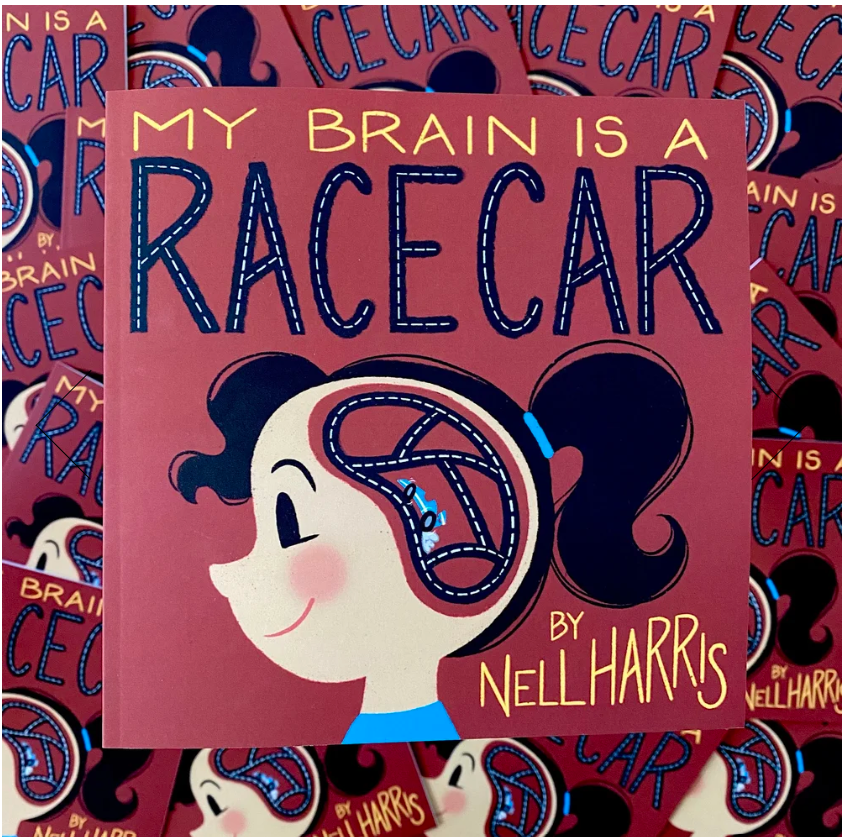
My Brain is a Race Car: Nell Harris
This book is an explanation of common traits in a neurodivergent brain. It gives examples of self regulation tools a child could use themselves to assist and work with / request the supports around them.
It includes what Nell calls… ‘conversation openers’ with the aim that the book is read between adult and the child and then a chat about their individual selves and what can and could be done to manage, assist, and uplift.
Is there anything you'd like us to know about your child? : Em Dresse
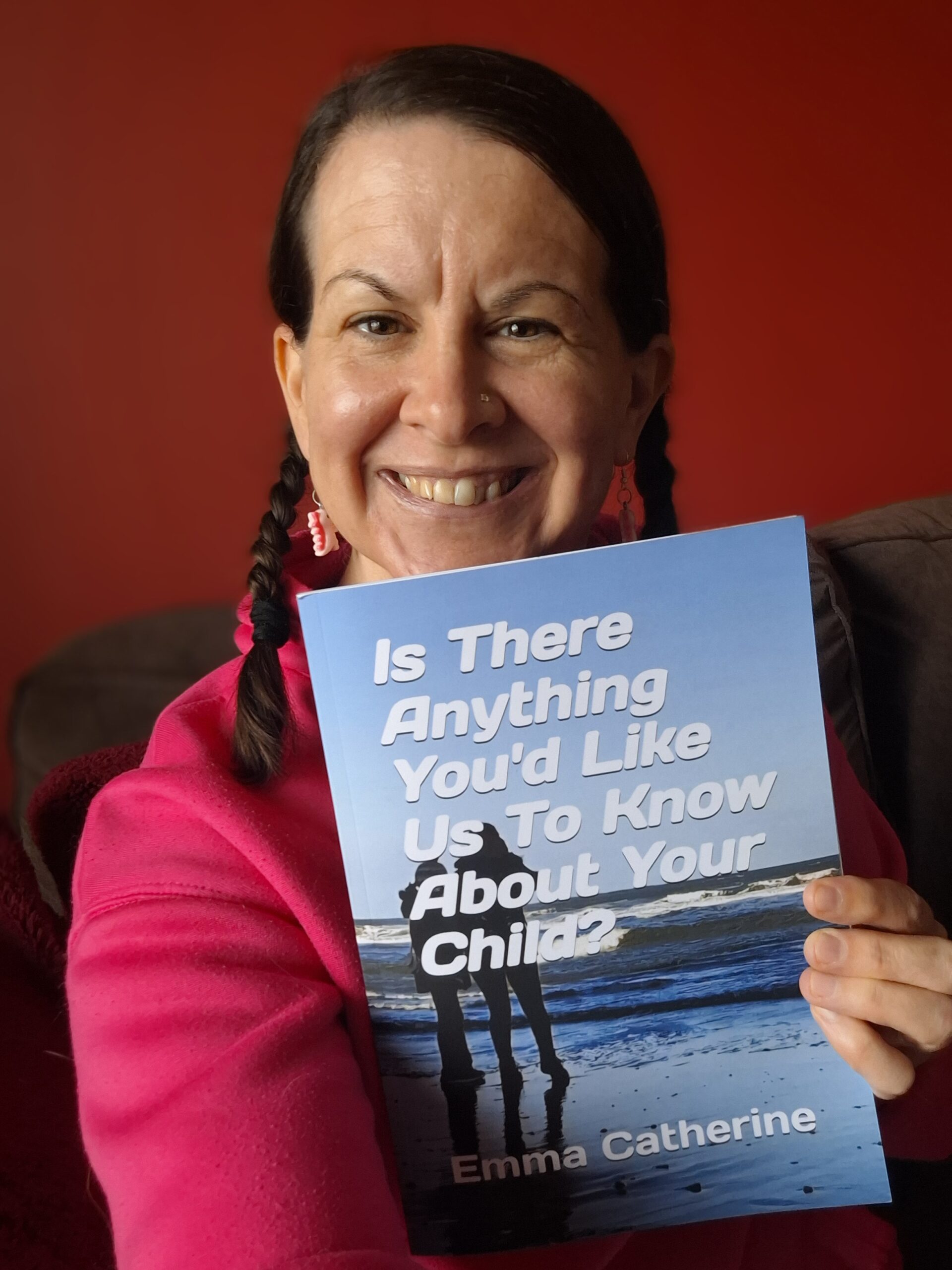
Parenting a neurodivergent child can be amazing – yet also challenging; not so much because of who the child is, but due to the society that we live in. The SEND parenting journey is like no other!
Contained within this book are twenty-five poems, giving a glimpse into one family’s life, their amazing daughter and all that she has to offer the world, as well as the endless advocating that almost every SEND parent and carer will relate to – as well as the endless attempts at explaining, and being dismissed and undermined by society.
It may not be every family’s story, but it is THIS family’s story.
All part of our comittment to the National Year of Reading.

Blog written by Jo Gotheridge : 23/6/26

0 Comments