
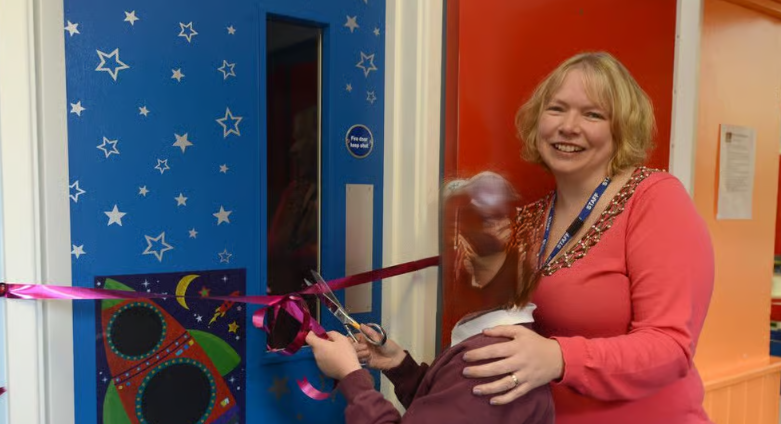
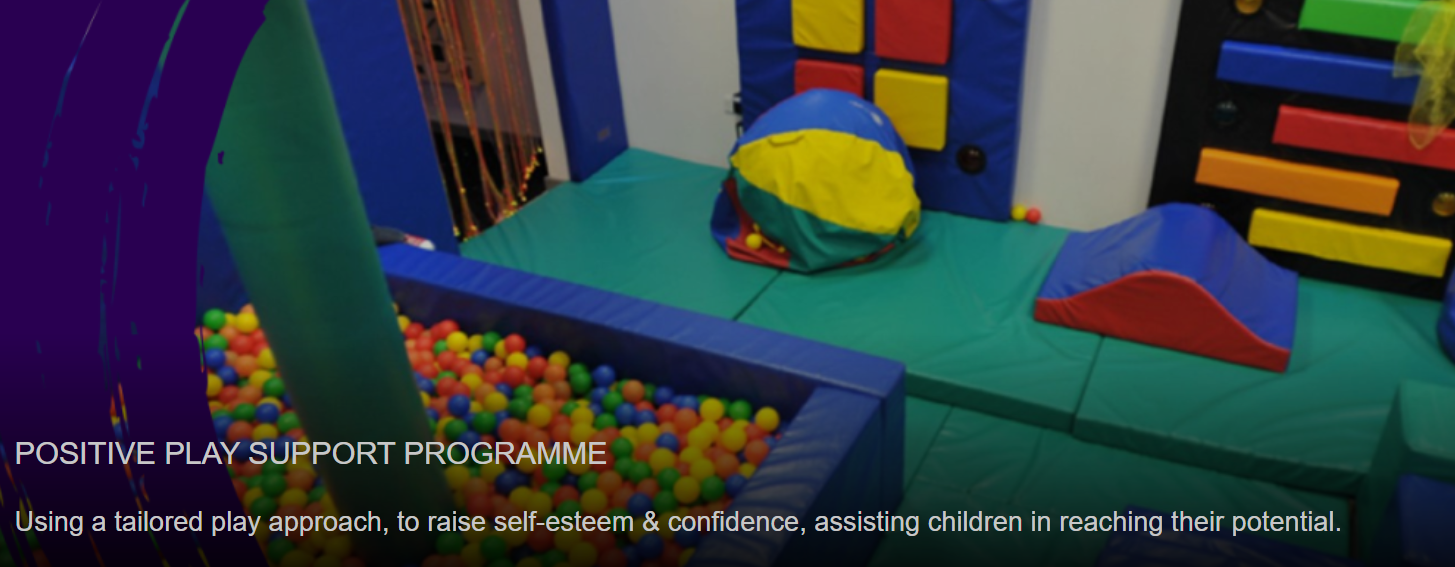
One of the highlights of my career was initiating the Positive Play approach in a school and creating the multi-sensory space, in order to implement the programme for children who most needed it. The Derbyshire County Council programme is still running now and this interview is with a skilled and experienced practitioner in positive play.
Andrea (an HLTA) has been using the positive play programme for many years and has seen the benefits first hand this planned intervention can have. It is not just an ad-hoc approach to behaviour management and emotional needs, it is specifically planned and reviewed and needs timetabling to ensure that it happens, in a designated space.
As a class teacher, I was then able to refer to the strategies and content from the sessions, in order to support them back in the classroom. With effective liason between Teaching Assistant and Teacher, the impact of that short positive play session can last far longer.
As a Headteacher, it was imperative that I established some targetted support for children that otherwise would be at risk of exclusion or were desparately needing support with external issues outside of school or having difficulty building relationships. The growth of a positive ethos this created in the school was undeniable and impacted on ALL pupils.
Read on and listen to Andrea’s experiences and hopefully some of this will resonate with your experiences.
Q: Please explain what positive play is in a few simple sentences for anyone who doesn’t know.
A: Positive Play is a Derbyshire County Council, unique, early intervention programme for children aged 3-21, parents and carers. Aimed at raising self-esteem, resilience and emotional well-being, it uses the medium of play to enable children to reach their full potential. Derbyshire’s flagship, Positive Play has now been running for over 20 years!
Q: How did you come across positive play? Was it recommended?
Having identified children in the setting who would benefit from nurture, we looked at what programmes were available at the time that fitted the needs of the children. I believe that when assessing the programme, it was bought to the attention, that positive play was being used in schools in the area and general consensus was positive.

Q: When and how did you access the training?
A: Training was done onsite in 2019/20, however due to COVID some sessions had to be completed remotely.
Q: What were your feelings about positive play at the beginning – were you confident it would work?
A: At first, I felt unsure about the programme and my ability to change the lives of the children who attended, for the better. However, over time I began to see its benefits and the positive results for the children and the classroom could be witnessed.
Q: Can you give examples of when it has worked best?
A: I have worked on many areas of positive mental health with the children over the years. However, in the last couple, I have focused on group sessions for anger management. These have seen the best results as the children realised that they were not alone with their emotions and that all people feel anger at times. Having peers talk about their situations and using low level CBT has seen children gain valuable knowledge and strategies, empowering them to cope in stressful.
Q: Do you think there are some children that wouldn’t benefit from positive play? If so, why?
A: Positive play is aimed at children and young people who have been identified as having low level emotional disorders, as described in question 1. Thorough assessments are done prior to invitation to the programme. Therefore, children who identify as high risk would be refereed to external agencies such as early help.
Q: What are the barriers to positive play being at its most effective?
A: The time constraints of the national curriculum, cultural beliefs and cost are just several of the barriers faced by implementing positive play into mainstream schools.
Q: How is the impact of positive play measured?
As mentioned previously, assessments are completed prior to invitation, using Boxall Profiles. These measurements are used to create a personalised timetable and informs planning for the individual. Further assessment takes place during and at the end of the programme.

Q: What tips/ advice would you give to someone considering implementing this in school?
A: Ensure that the staff, chosen to train, are committed and willing to take on the challenges involved with working with children in relation to safeguarding.
That staff have a designated member of staff who can support them with their own mental well-being.
Be prepared to be adaptable, as session often change due to the nature of the role.
Embrace the successes (and hopefully, there will be many!) and learn from the mistakes in order to provide best practice.
Support the parents/carers as well as the children to provide a holistic approach.
Enjoy your time as a Positive Play Practitioner and remember. There will be tough times, but also rewarding ones too.
Remember that the small steps you take with a child, can have huge positive results, providing them with the best possible outcomes. It really is worth it!
The Future of SEND provision
On 12th December 2025, £3 billion in funding, by the government has announced., to support children with SEND in mainstream schools.
Schools will be able to use the funding to…
‘create resources such as breakout spaces for children who may need more support, or rooms to support children with autism or ADHD who may feel overstimulated in the classroom’.
Will this mean that more interventions such as Positive Play will be possible? Only time will tell, but I cannot think of a better use of funding for SEND, then designated spaces to allow this support to be provided.
Interested in finding out more...
Blog written by Jo Gotheridge 11 .12.25

0 Comments